

Press about us
Ukraine Has One Foot In Europe And The Other In The Economic Abyss
But the economic abyss seems less scary than Putin’s embrace.
Ukraine managed to avoid the Kremlin’s influence after the collapse of the Soviet Union about twenty years ago and over the past decade has been torn between the pro-Russian contingent and the European sphere. Now, the Ukrainian government has made up its mind and decided to go West. But Russia won’t let them off the hook that easily.
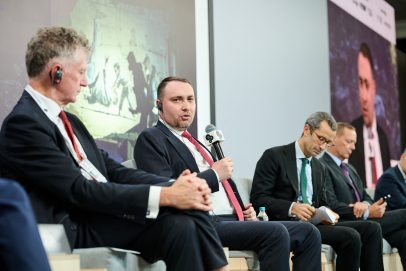
“We have to move towards the European integration,” said Ukrainian president Viktor Yanukovych during the international economic conference in Yalta, Crimea, last weekend, reaffirming the government’s commitment to sign the Association Agreement with the EU in November. Though Yanukovych asserts that joining with the EU is in the country’s best interest, the government continues its dialogue with Russia.
Russia, which has long kept Ukraine in its orbit, seems to have taken to bullying and pressuring its smaller, impudent neighbor. The Kremlin has been showing its claws since European integration would make it impossible for Ukraine to enter the Custom Union — the trade organization that Russia has formed with Kazakhstan and Belarus. Russian officials have been making aggressive remarks and pro-Kremlin media commentators call Ukraine’s move towards the EU financial suicide, predicting the collapse of its economy.
“Total costs of overcoming default could add up to 25, maybe, 30 bln Euro. Is Europe ready to take on such a financial responsibility?” said Russian presidential adviser, Sergey Glazyev, who came to Yalta to dismiss the benefits of a possible free-trade deal between Ukraine and the EU. He warned that Russia, if snubbed, will not give Ukraine any perks in the form of discounted gas or custom fees.
Russia has sharply cut off quotas for goods coming from Ukraine, raised the quality control bar on imported goods and created obstacles at customs, causing substantial financial losses to Ukrainian businesses. The angry message says: if Ukraine wants to have free trade with Europe, there will be no trade with Russia.
Russia has a point, though. Ukraine’s economy – fragile and in terrible shape – could collapse should Russia decide to sever ties with its neighbor and largest business partner. But Russia’s aggressive approach makes it obvious that Ukraine is making a good choice. Becoming an addition to Russia’s Eurasian empire doesn’t give Ukraine much chance for political and economic freedom, while getting closer to the EU would allow Ukraine to look for new markets anywhere in the world, as well as to maintain its independence.
Unfortunately, the economic data seems more convincing than the promise of independence and political and human rights; European economic prosperity may not happen for some time.
Ukraine’s sovereign credit rating is pretty weak: while both Standard & Poor and Fitch gave the country a B rating with a negative outlook, Moody’s Investor Service cut Ukraine’s rating further down to Caa1, citing bad relations with Russia. At the same time, Moody’s admits in its statement that the prospect of signing the Association Agreement is positive for Ukraine’s institutions, economic and political reforms mid-term.
Ukraine’s economy contracted about 1.3% in the second quarter, and the country’s debt rose to $134.4 bln, according to a statement from Ukraine’s central bank. But despite the daunting economic climate today, many economists and business experts agree that if Ukraine finds a way to survive through the transition, the economic benefits will be far more substantial than they would be with Russia’s Custom Union.
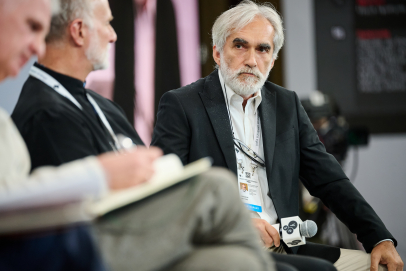
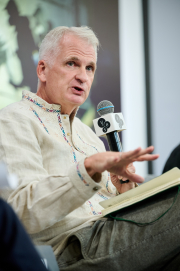
The question is, how will Ukraine survive if the Kremlin shuts its doors (despite Ukraine’s attempts to continue the dialogue) and the EU promises take time to turn into economic benefits? Perhaps with the help of friends. If the international attendance at this year’s Yalta conference is any indication, Ukraine has many of them.
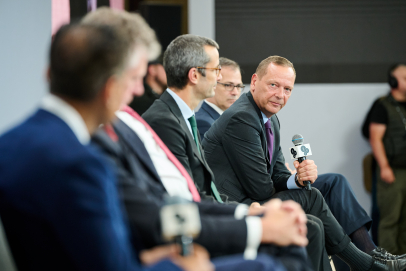
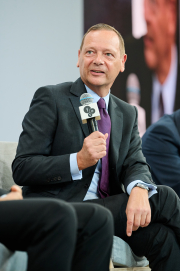
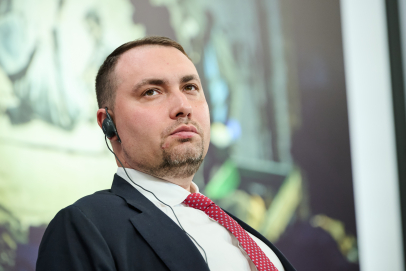
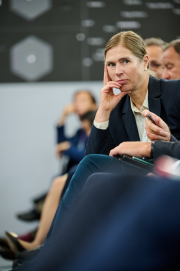
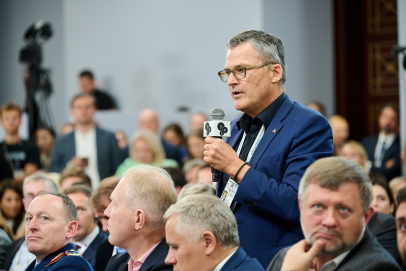
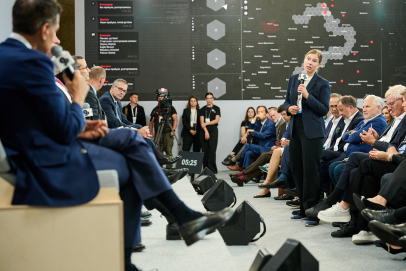
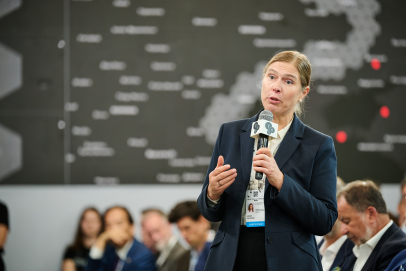
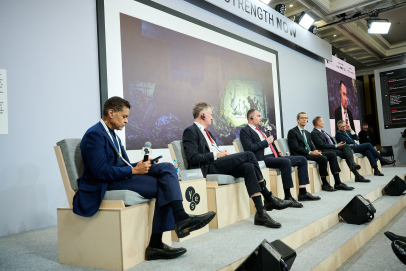
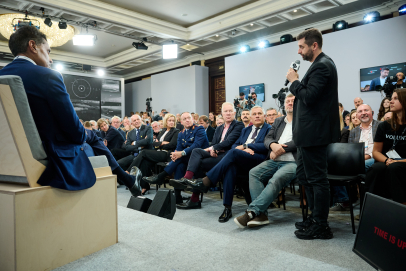
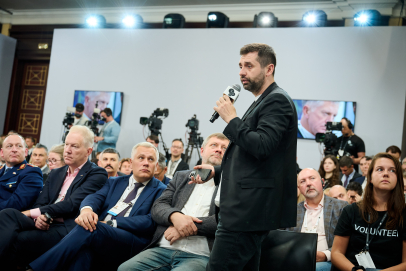
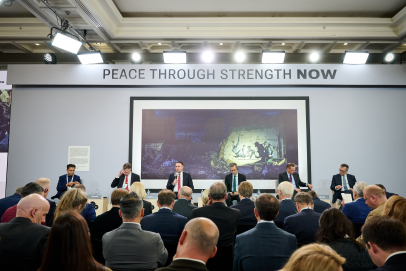
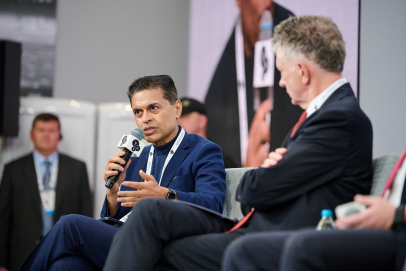
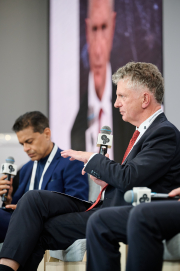
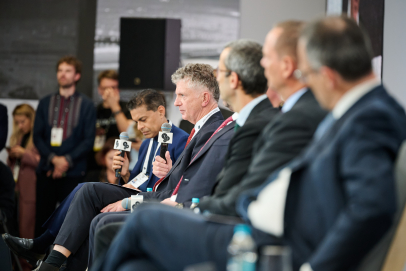
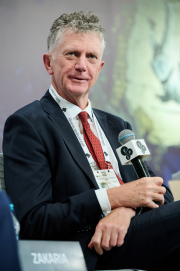
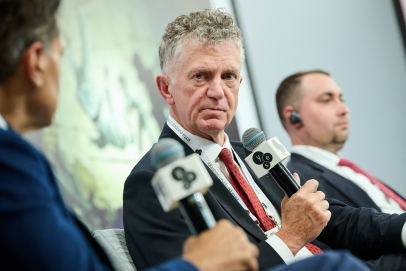
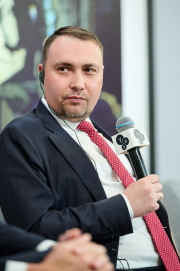
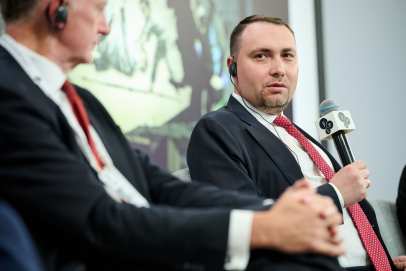
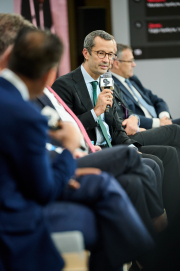
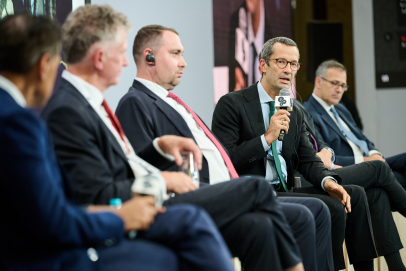
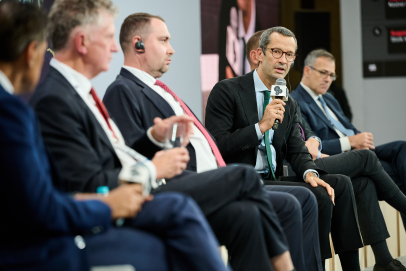
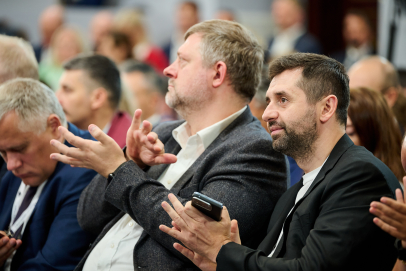
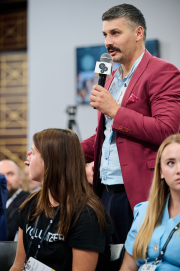
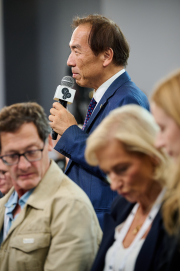
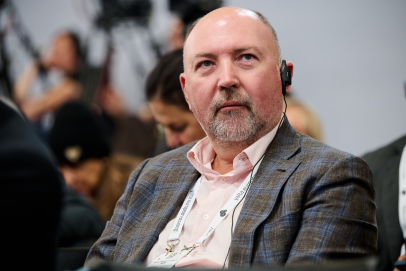
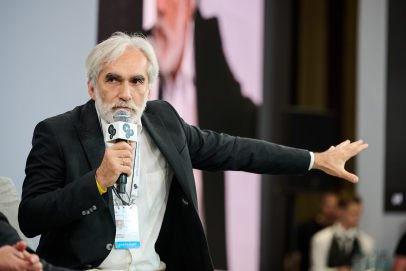
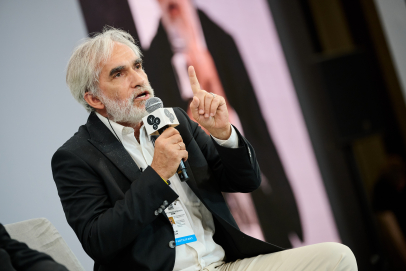
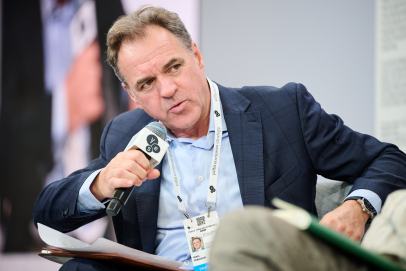
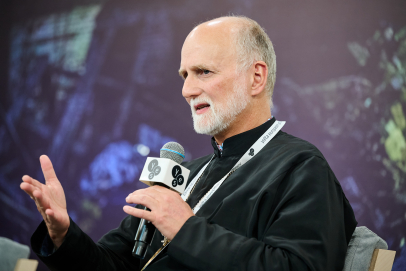
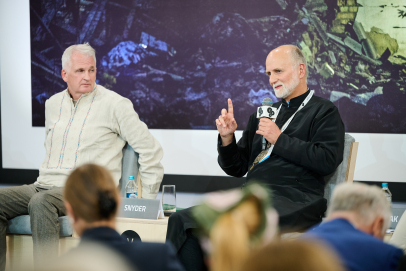
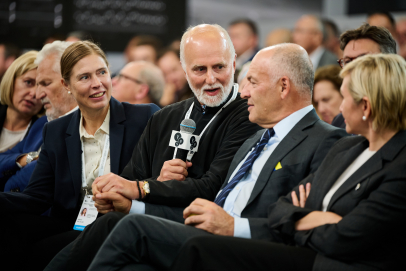
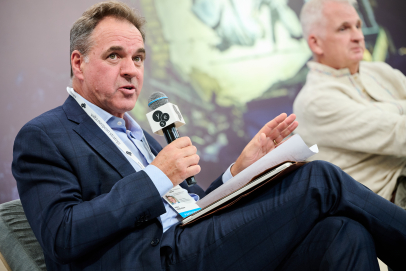
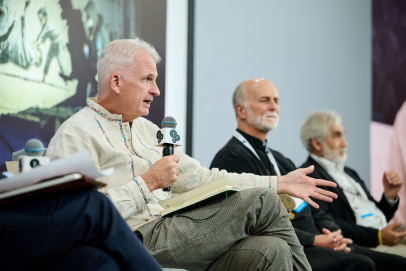
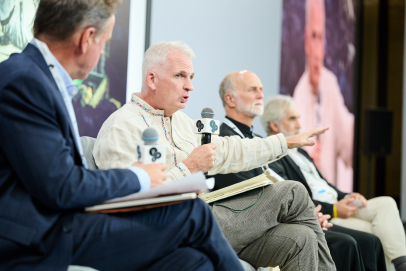
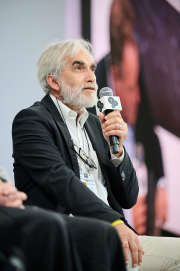
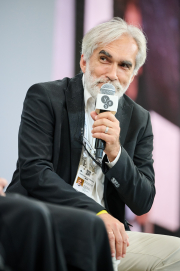
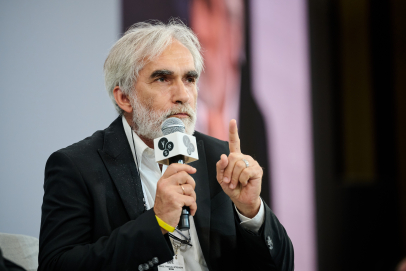
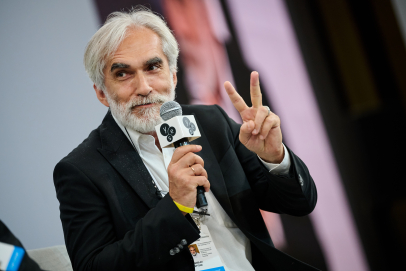
The summit by the Black Sea, organized by Ukrainian billionaire and steel industry tycoon Victor Pinchuk, serves as a playground for European and American politicians, thinkers and economists to discuss the world’s most pressing issues, including the Eastern European region. This year’s conference featured American power couple Bill and Hillary Clinton, former British prime minister Tony Blair, and a nice cast of American and European politicos, economists, thought-leaders and bankers — like Mario Monti, Dominique Strauss-Kahn and Patrick Cox among others.
Bill Clinton said that he “doesn’t approve of all the pressure that Ukraine has been subject to” by its neighbor, and suggested that as long as there is room for freedom and enterprise, Ukraine has all the chances for prosperity. He pointed out that the US supported South Korea because it seized the promise of freedom and progress. His remarks were followed by Tony Blair, the former prime-minister of Great Britain, who said: “We should stick with you and help you on that journey”
Ukraine and Russia have to find some way to cooperate and make decisions together that would work for both countries, but it’s also understood that Ukraine needs to have a plan B in case Russia continues its abusive tactics and shuts the door on Ukrainian businesses. Finding new markets and attracting new investments could be the way. If Western friends step in with more than just talk of democracy and transparency, Ukraine might achieve a level of strength that would be helpful in dialogue with a behemoth such as Russia.